
Softshell Fabric by the Meter
-
Monster Trucks | Softshell Fabric by the Meter | Water-Repellent Children's Fabric
Vendor:Handmade by KatiRegular price €25,00 EURRegular price -
Fliederflug | Softshell Fabric by the Meter | Water-Repellent Children's Fabric
Vendor:Handmade by KatiRegular price €25,00 EURRegular price -
Little Vikings | Viking Softshell Fabric by the Meter | Water-Repellent Children's Fabric
Vendor:Handmade by KatiRegular price €25,00 EURRegular price -
Sweet & Sassy in Love | Alien Softshell Fabric by the Meter | Water-Repellent Children's Fabric
Vendor:Handmade by KatiRegular price €25,00 EURRegular price -
Heart Loop | Hearts Softshell Fabric by the Meter | Water-Repellent Children's Fabric
Vendor:Handmade by KatiRegular price €25,00 EURRegular price -
Mud Pro Yellow/Green | Softshell Fabric by the Meter | Water-Repellent Children's Fabric
Vendor:Handmade by KatiRegular price €25,00 EURRegular price -
Lotti Elephant | Elephant Softshell Fabric by the Meter | Water-Repellent Children's Fabric
Vendor:Handmade by KatiRegular price €25,00 EURRegular price -

Forest Friendship | Forest Animals Softshell Fabric by the Meter | Water-Repellent Children's Fabric
Vendor:Handmade by KatiRegular price €25,00 EURRegular price -
Little Forest Owl | Owls Softshell Fabric by the Meter | Water-repellent Children's Fabric
Vendor:Handmade by KatiRegular price €25,00 EURRegular price -
Seelenschatten | Leo Softshell Fabric by the Meter
Vendor:Handmade by KatiRegular price €25,00 EURRegular price -
Rockabilly Queen | Pin-Up Girl Softshell Fabric by the Meter | Water-Repellent Children's Fabric
Vendor:Handmade by KatiRegular price €25,00 EURRegular price -
Smiley Daisies | Retro Flowers Softshell Fabric by the Meter | Water-Repellent Children's Fabric
Vendor:Handmade by KatiRegular price €25,00 EURRegular price -
Bubble Babe | Girls Softshell Fabric by the Meter | Water-Repellent Children's Fabric
Vendor:Handmade by KatiRegular price €25,00 EURRegular price -
Monster Truck in Pink | Vehicle Softshell Fabric by the Meter | Water-Repellent Children's Fabric
Vendor:Handmade by KatiRegular price €25,00 EURRegular price -
Elemental Friends | Anime Softshell Fabric by the Meter | Water-Repellent Children's Fabric
Vendor:Handmade by KatiRegular price €25,00 EURRegular price -
Jungle Dreams | Safari Softshell Fabric by the Meter | Water-Repellent Children's Fabric
Vendor:Handmade by KatiRegular price €25,00 EURRegular price -
Ladybug Girl & Black Cat | Comic Softshell Fabric by the Meter | Water-Repellent Children's Fabric
Vendor:Handmade by KatiRegular price €25,00 EURRegular price -
Dragon Friends | Dragon Softshell Fabric by the Meter | Water-Repellent Children's Fabric
Vendor:Handmade by KatiRegular price €25,00 EURRegular price -
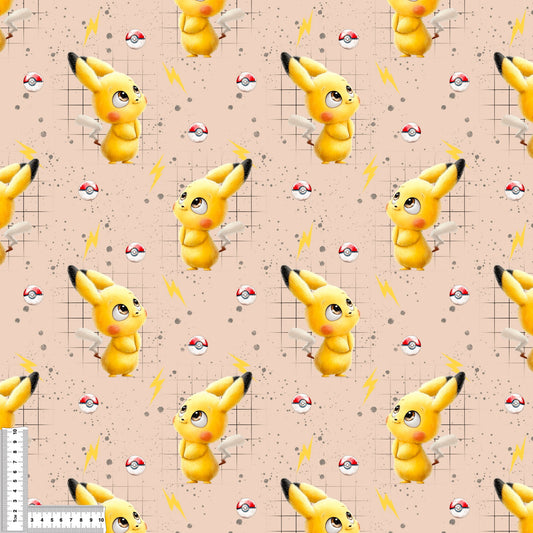
PikaPlush | Anime Softshell Fabric by the Meter | Water-Repellent Children's Fabric
Vendor:Handmade by KatiRegular price €25,00 EURRegular price -
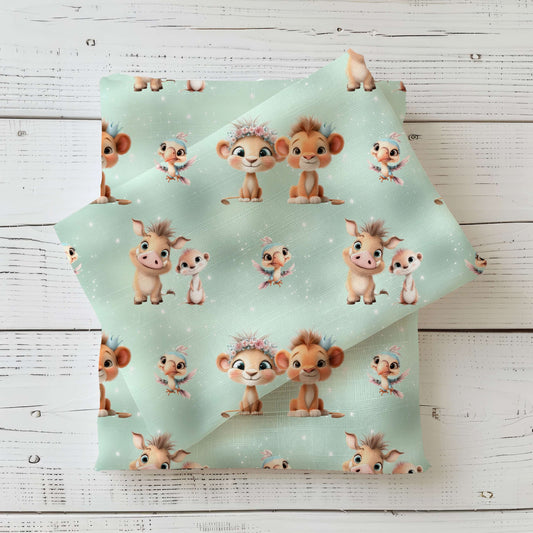
King of Minis | Safari Softshell Fabric by the Metre | Water-repellent Kids' Fabric
Vendor:Handmade by KatiRegular price €25,00 EURRegular price -
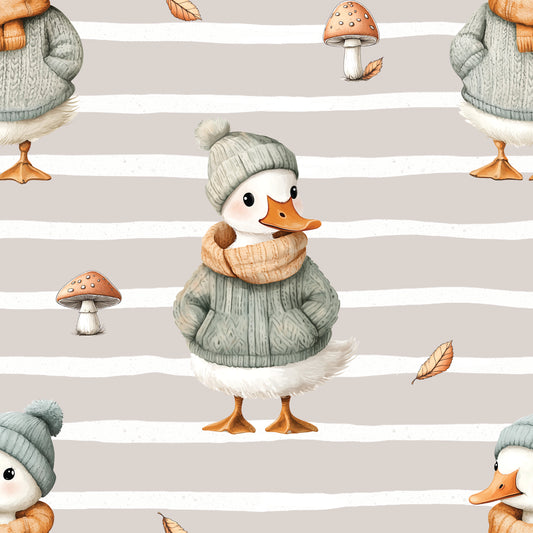
Autumn Goose | Geese Autumn Softshell Fabric by the Meter | Water-repellent Children's Fabric
Vendor:Handmade by KatiRegular price €25,00 EURRegular price -
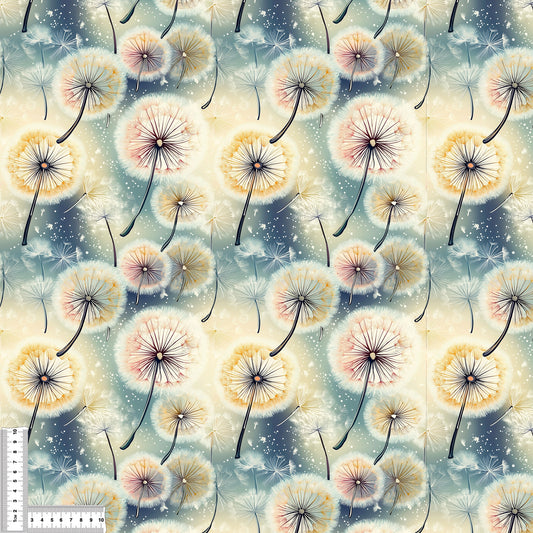
Dandelion | Floral Softshell Fabrics by the Meter
Vendor:Handmade by KatiRegular price €25,00 EURRegular price -
RobotCars" in Green | Car Robot Softshell Fabric by the Meter | Water-Repellent Children's Fabric
Vendor:Handmade by KatiRegular price €25,00 EURRegular price -
RobotCars in blue | Robot Car Softshell Fabric by the Meter | Water-repellent Kids' Fabric
Vendor:Handmade by KatiRegular price €25,00 EURRegular price -
RobotCars Denim Grey | Robot Car Softshell Fabric by the Meter | Water-Repellent Children's Fabric
Vendor:Handmade by KatiRegular price €25,00 EURRegular price -
RobotCars in Rainbow | Robot Car Softshell Fabric by the Meter | Water-repellent Kids' Fabric
Vendor:Handmade by KatiRegular price €25,00 EURRegular price -
small acorn | Autumn softshell fabric by the yard | water-repellent children's fabric
Vendor:Handmade by KatiRegular price €25,00 EURRegular price -
Midnight Princess | Fairytale Softshell Fabric by the Meter | Water-Repellent Children's Fabric
Vendor:Handmade by KatiRegular price €25,00 EURRegular price -
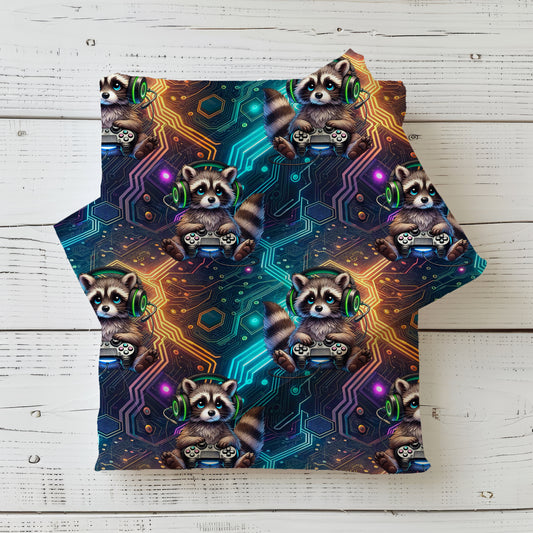
Gamer Raccoon | Gaming Softshell Fabric by the Meter | Water-Repellent Children's Fabric
Vendor:Handmade by KatiRegular price €25,00 EURRegular price -
Robotcars in blue | Car Robot Softshell Fabric by the Meter | water-repellent Children's Fabric
Vendor:Handmade by KatiRegular price €25,00 EURRegular price -
Cool Camo Unicorn | Unicorn Softshell Fabric by the Meter | Water-Repellent Children's Fabric
Vendor:Handmade by KatiRegular price €25,00 EURRegular price -
Boys Game | Retro Game Softshell Fabric by the Metre | Water-Repellent Children's Fabric
Vendor:Handmade by KatiRegular price €25,00 EURRegular price -
Hero Boards | Superhero Softshell Fabric by the Metre | Water-Repellent Children's Fabric
Vendor:Handmade by KatiRegular price €25,00 EURRegular price -
Viva La Rebel | Skull Softshell Fabric by the Yard
Vendor:Handmade by KatiRegular price €25,00 EURRegular price -
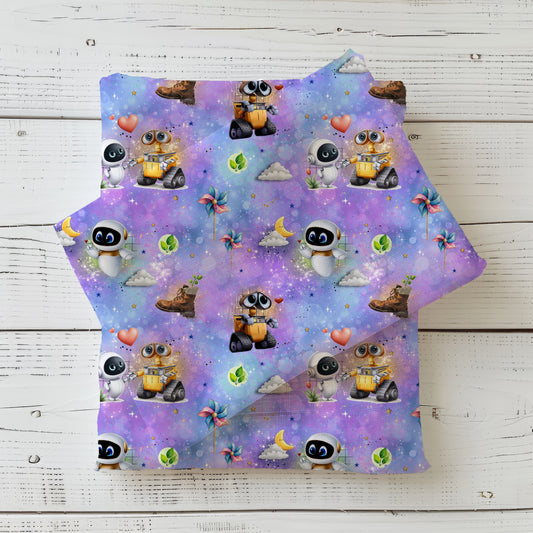
Love in Space | Robot Softshell Fabric by the Meter | Water-Repellent Children's Fabric
Vendor:Handmade by KatiRegular price €25,00 EURRegular price -
Love in Space Lila | Robot Softshell Fabric by the Meter | Water-Repellent Children's Fabric
Vendor:Handmade by KatiRegular price €25,00 EURRegular price







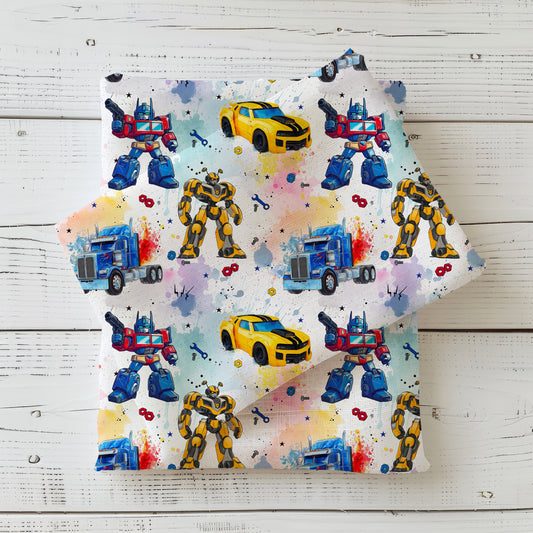





Cookie Lover as a mud suit
What makes softshell fabric special?
Softshell usually consists of several layers bonded together, which gives it properties that make it particularly suitable for outdoor clothing.
Typical properties of softshell fabric:
- water repellent
- windproof
- breathable
- durable
- soft and comfortable to wear on the inside
This combination ensures that clothing is functional yet remains comfortable.

Softshell bag, by "Schöne Dinge bei Anja Kaspers"
What sewing projects is softshell suitable for?
Softshell fabric is primarily used for clothing and projects worn outdoors.
Typical sewing ideas:
- Jackets and outdoor jackets
- Children's jackets and overalls
- Vests
- Mud trousers
- Rainwear
- Bags and backpacks
Thanks to its robust properties, Softshell is ideal for active children and outdoor projects.

Forest with stream for hiking & playing
Who is softshell fabric suitable for?
Softshell fabric is suitable for anyone who wants to sew functional clothing or practical everyday items themselves.
Typical target groups:
- DIY sewers
- Handmade labels
- Parents who sew weather-resistant children's clothing
- Outdoor and leisure enthusiasts

Stay up to date in my WhatsApp group!
Want to be the first to know when there's something new? 👀
In my WhatsApp group, you'll get:
✨ exclusive discounts on stock items
🧵 early info on new designs
🎁 small surprise promotions & specials